Leading Benefits of Expert Air Conditioning Installation for Your Residence
Professional air conditioning installation offers significant advantages that can significantly improve a home's comfort and efficiency. Qualified technicians provide accurate unit sizing and positioning, which optimizes energy use. They also handle indoor air quality concerns through appropriate access this information duct sealing and filtering systems. However, numerous homeowners ignore the risks of DIY installation. Understanding the full scope of professional benefits can lead to informed decisions that enhance overall home comfort and reduce costs. What additional aspects should homeowners evaluate?
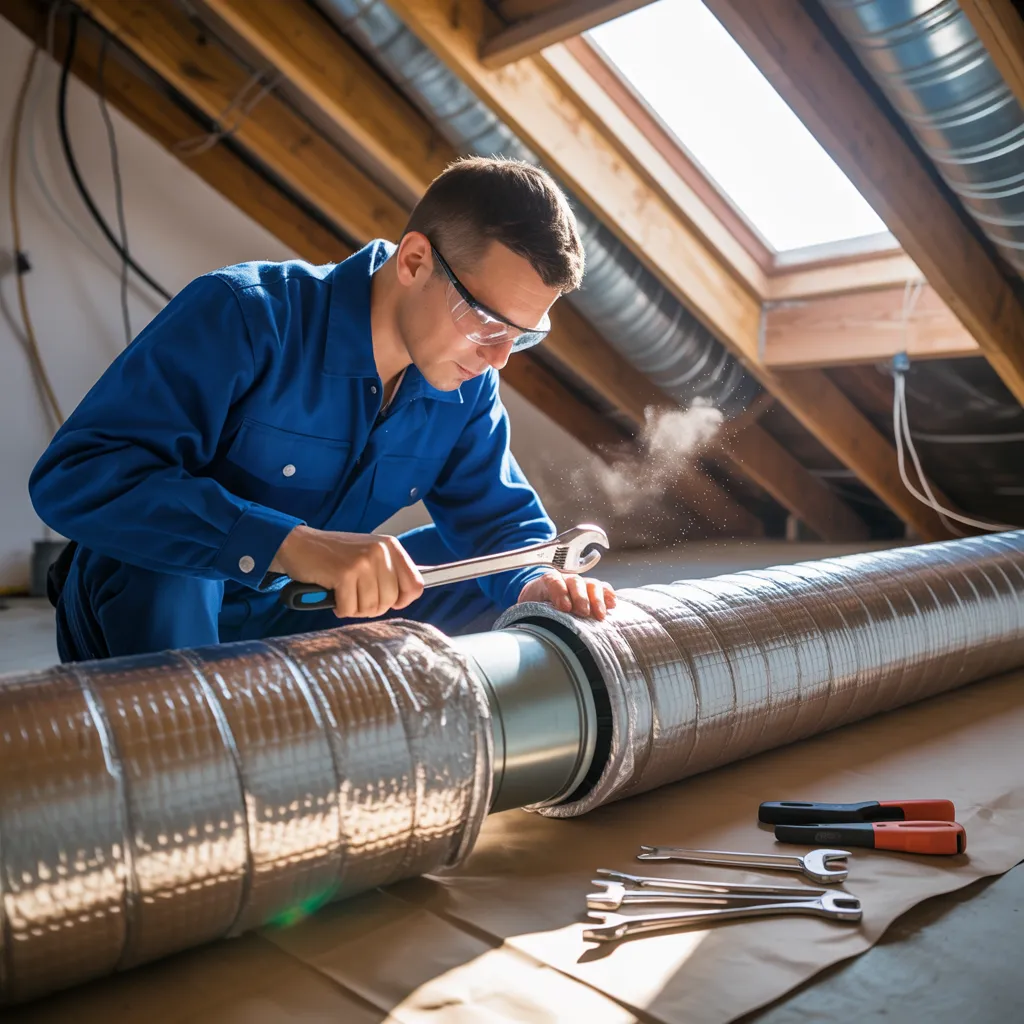
How Expert Installation Guarantees Maximum Efficiency
Professional installation of air conditioning systems is critical for reaching optimal efficiency. When correctly installed, these systems operate effectively, minimizing energy consumption and boosting system performance. Appropriate sizing of the system is essential; a trained technician verifies that the AC unit is properly suited for the space, avoiding problems caused by incorrect sizing or improper fitting.
Moreover, professional installers are adept at situating the unit for maximum airflow and efficiency. They further check that all parts, including ductwork and refrigerant lines, are accurately installed and sealed. This meticulous attention to detail lowers the likelihood of air leaks, that can cause energy waste and elevated utility bills.
Additionally, trained experts are well-versed in local safety codes and guidelines, ensuring adherence to safety requirements. Ultimately, professional system installation not only optimizes system functionality but also increases the longevity of the air conditioning unit, delivering lasting benefits for property owners.
Why Quality AC Installation Is Essential for Your Home's Comfort
Proficient air conditioning installation considerably boosts a property's overall indoor comfort by confirming the equipment performs at maximum efficiency. Professional installation is essential for enhancing thermal regulation, enabling homeowners to sustain a stable climate throughout their home. When set up by experts, AC systems are fine-tuned to fulfill particular household needs, which can considerably reduce temperature fluctuations.
In addition, expert technicians acknowledge the significance of optimal positioning, ensuring that air distribution is improved and avoiding inconsistent temperature areas. This thoughtful installation leads to a significantly improved indoor setting, enabling residents to benefit from their living areas without discomfort. Furthermore, expert installation decreases the potential for operational problems that can cause system failures, ensuring a reliable source of cooling. In the end, investing in expert air conditioning installation cultivates an enduring comfort level that enhances the general quality of life, ensuring that living spaces continue to be cool and inviting, even during the hottest months.
The Impact of Professional Installation on Indoor Air Quality
A correctly installed air conditioning system can significantly improve the quality of indoor air, fostering a healthier living space. Expert installation ensures that the system functions efficiently and effectively, optimizing airflow throughout the home. This efficiency minimizes the collection of dust, allergens, and other contaminants, which can adversely affect respiratory health.
In addition, a trained specialist will thoroughly fasten ducts and connections, minimizing the chances of gaps that may allow external pollutants. They also make sure that filters are accurately placed and maintained, which is essential for filtering out harmful particles.
Moreover, skilled technicians can offer recommendations regarding humidity control settings, which are critical for preventing mold growth and preserving optimal comfort. Ultimately, skilled installation not only optimizes the effectiveness of the AC system but also greatly contributes to superior indoor air quality, cultivating a more comfortable and healthier living space for residents.
Typical DIY AC Installation Blunders You Should Avoid
A large number of homeowners undertake DIY air conditioning installation but frequently miss important considerations. Incorrect sizing of the unit can lead to energy waste and uneven cooling, while improper ductwork installation can obstruct air circulation and lower overall effectiveness. Recognizing these common mistakes is vital for ensuring the best possible cooling performance.
Wrong Sizing of Unit
Picking the appropriate capacity air conditioning unit is vital for maximum performance and energy efficiency. An improperly sized unit can lead to various issues, such as insufficient cooling capacity or unnecessary energy waste. Units that are too large may cool a space too quickly, causing constant start-stop cycles, which leads to greater wear and tear. In contrast, undersized units have difficulty maintaining desired temperatures, resulting in increased energy costs and discomfort. Amateur installations often miss critical factors, such as room size, the quality of insulation, and local climate. Experienced installers conduct thorough assessments to determine the appropriate unit size, providing the best functionality and lifespan. At the end of the day, choosing the correctly sized air conditioning system creates a more comfortable living space while minimizing energy consumption.
Inadequate Ductwork Connections
Incorrect sizing of an air conditioning unit can lead to various operational issues, but inadequate ductwork connections present another frequent challenge in DIY installations. Frequently neglected, these connections can significantly affect system efficiency and indoor air quality. Loose or improperly sealed ducts may result in air leaks, causing cold air to escape and increasing energy costs. Furthermore, insufficient connections can result in uneven cooling across the home, producing uncomfortable living environments. Skilled installers have the knowledge to ensure that all ductwork is correctly connected and sealed. This thoroughness not only boosts system performance but also lengthens the lifespan of the air conditioning unit, making it a beneficial investment for homeowners looking for reliable and effective cooling solutions.
How to Find the Right Expert for AC Installation
How can one guarantee they select the right professional for air conditioning installation? The first step is to conduct thorough research on prospective contractors. Reviewing online feedback and requesting recommendations from trusted friends or family can deliver meaningful insights regarding their trustworthiness and standard of work. Next, verify their credentials, ensuring they are licensed and insured, which protects homeowners from liability issues.
Additionally, gathering multiple quotes enables the ability to compare services and pricing, making it easier to identify reasonable pricing. It is recommended to ask about the installation process and what warranties are available, as these factors indicate the dedication of the contractor to customer satisfaction.
Finally, trust your instincts; a technician who responds to questions clearly and communicates effectively is likely to provide a positive experience. By following these steps, homeowners can make informed decisions, guaranteeing their air conditioning unit is set up properly and effectively.
How Professional Help Saves You Money in the Long Run
Opting for expert AC installation can lead to considerable long-term savings. By ensuring that the system is correctly installed, qualified technicians enhance energy efficiency, which decreases monthly utility expenses. A correctly fitted system operates at peak performance, preventing the unnecessary power usage that frequently occurs with self-installed units or improperly handled work.
In addition, expert installation often comes with warranties that protect against potential repair expenditures. This assurance reduces the financial burden associated with unforeseen malfunctions. Professionals further carry out comprehensive evaluations of the property, identifying the right system size and features that address particular demands, further enhancing system effectiveness and output.
Overall, opting for professional air conditioning installation not only lowers running costs but also prolongs the life of the system. Households can benefit from an ideal indoor climate without taking on needless expenditures, rendering professional installation an intelligent decision for long-term financial health.
Questions We Often Receive
What Should I Expect During the Installation Process?
Throughout the installation process, you can anticipate an initial assessment, accurate measurements, equipment installation, ductwork modifications, and complete testing. Experts ensure maximum performance while adhering to safety guidelines, often completing the job within a couple of hours.
How Long Does a Professional Air Conditioner Installation Generally Take?
A standard air conditioning installation usually takes anywhere from four to eight hours, depending on the system complexity and home size. Elements like pre-existing ductwork and the installation environment may also affect the total time required.
Is a Permit Necessary for Air Conditioning Installation?
Permits are generally required for air conditioning installation, depending on the location. Homeowners should consult local regulations to confirm adherence to the rules, as acquiring the proper permits can help avoid legal complications and ensure the installation meets safety standards.
What Warranties Come With Professional Installation Services?
Professional installation services typically include warranties encompassing labor and parts, ensuring protection against defects. These warranties may vary in duration and terms, giving homeowners confidence concerning the efficiency and reliability of their AC systems.
Can I Install an AC Unit in Any Room?
An air conditioner can be set up in the majority of rooms, as long as there is sufficient ventilation and electrical capacity. Nevertheless, factors such as layout, room size, and sunlight exposure will influence the selection of location for optimal efficiency.